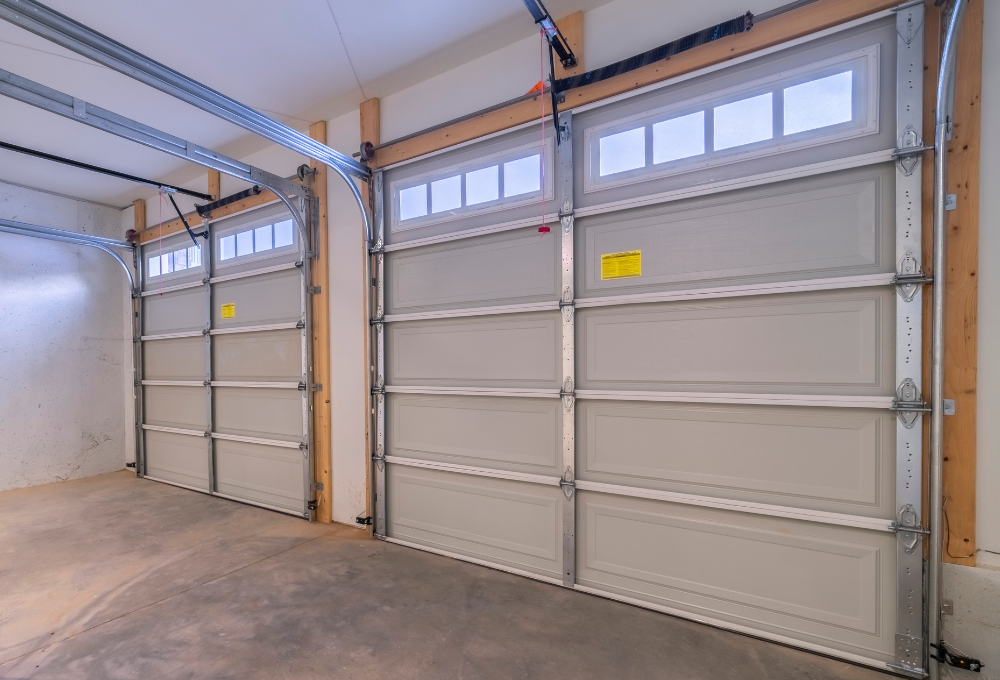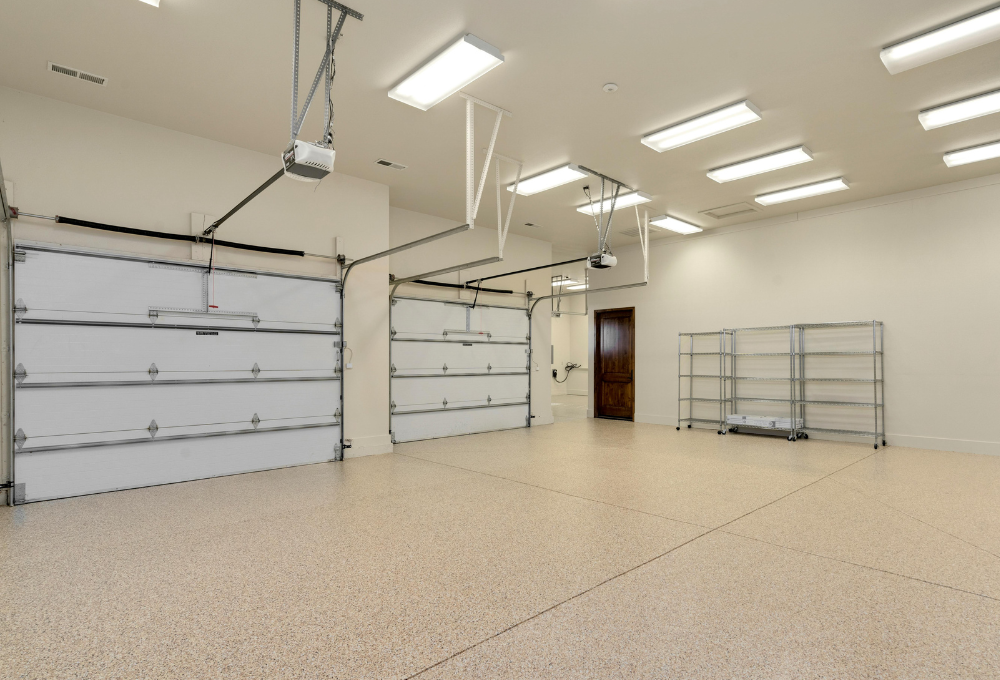


A garage door often allows noise to travel easily into the home. Thin panels and metal surfaces amplify sound during operation. Vibrations move through walls and ceilings quickly. Noise becomes noticeable during early mornings or late nights. A Soundproof Garage Door helps restore comfort and quiet.
Many homeowners underestimate garage noise problems. Door movement, vibrations, and gaps increase sound transfer. Poor insulation worsens the issue over time. Ignoring noise leads to daily frustration. A Soundproof Garage Door improves peace and home comfort.
This guide explains effective soundproofing methods clearly. You will learn where noise comes from. You will understand practical solutions that reduce sound. You will also know when professional service is required.
Why Garage Door Noise Is a Common Problem
Garage doors are large, moving systems that naturally produce sound during operation. Metal panels vibrate during opening and closing, increasing overall noise levels. Rollers and tracks create friction noise as the door moves along the system. Motors amplify vibration through the frame and surrounding structure. A Soundproof Garage Door helps control these unavoidable noise sources effectively.
Older doors often lack proper insulation materials to absorb sound effectively. Hollow panels allow noise to echo and travel into nearby living spaces. Loose hardware increases rattling sounds during operation and worsens vibration. Structural design plays a major role in how much sound the garage door produces, which is why upgrading to a Soundproof Garage Door can significantly reduce noise and improve comfort.
Poor installation also contributes to noise. Gaps allow sound to escape freely. Misalignment increases vibration. Managing these problems enhances noise control. Professional garage door repair often resolves underlying issues.
How Garage Door Noise Affects Your Home
Garage noise travels into living spaces easily, especially when garages connect directly to the home. Bedrooms above garages receive vibration directly, making repeated noise hard to ignore. Daily operation becomes irritating, and quiet spaces are difficult to maintain. Noise affects productivity, concentration, and conversations throughout the home. Over time, stress levels rise from constant disruption. Installing a Soundproof Garage Door helps protect indoor peace, reduce vibration transfer, and improve overall daily living quality.
Identifying the Main Sources of Garage Door Noise
Noise originates from multiple components within the garage door system. Rollers create friction along tracks during movement, while hinges squeak under repeated use. Motors vibrate under strain and transfer sound through the frame. Loose hardware repeatedly increases noise levels. Track misalignment and debris add resistance, but a Soundproof Garage Door effectively reduces overall sound output.
Using Insulation to Soundproof a Garage Door
Insulation absorbs sound vibrations effectively. Foam panels reduce echo inside the garage. Heavier materials block sound transfer. Insulation also improves temperature control. Insulated doors vibrate less during operation. Proper installation ensures consistent results. Thickness affects effectiveness. Insulation upgrades enhance long-term comfort. Combined solutions work best. A Soundproof Garage Door relies heavily on the proper placement of insulation.
Upgrading Rollers for Quieter Operation
Worn rollers increase vibration and noise. Metal rollers amplify sound. Nylon rollers operate more quietly. Hardware condition affects overall noise levels. Loose bolts rattle during movement. Worn hinges squeak repeatedly. Replacing parts reduces friction. Proper components support smooth motion. Issues with rollers and cables often contribute heavily to noise problems and vibration.
Sealing Gaps to Reduce Sound Transmission
Gaps allow sound to escape freely and reduce indoor comfort. Bottom seals prevent noise leakage during garage door operation. Side gaps increase sound travel into living spaces. Sealing improves overall sound containment and reduces vibration noise. Tight seals limit echo and block sound transfer. A Soundproof Garage Door benefits from upgraded garage door seals that improve sound control and energy efficiency.
Maintaining Door Balance to Minimise Noise
Unbalanced doors create strain during movement. Motors work harder than designed. Springs absorb uneven force. Noise increases noticeably. Balanced doors move smoothly. Less vibration occurs. Components experience reduced stress. Noise levels drop naturally. If an imbalance exists, broken springs should be addressed to restore quiet operation.
After reviewing these five soundproofing methods, clear patterns emerge during evaluation. Noise often results from multiple combined issues rather than a single cause. Addressing one area helps reduce sound, but full solutions work best when applied together. Layered improvements significantly reduce vibration and noise transfer. A Soundproof Garage Door performs best when multiple adjustments are made properly.
DIY Soundproofing Tips Homeowners Can Try
Homeowners can apply basic soundproofing steps to reduce garage noise effectively. Tightening loosehardware reduces rattling during door movement. Lubrication minimises friction noise from rollers andhinges. Cleaning tracks improves smooth movement and lowers vibration. A Soundproof Garage Door benefits greatly from regular care and simple maintenance steps.
Foam insulation panels can be installed safely without complex tools or adjustments. Weather strippingreduces sound leakage around door edges and corners effectively. Door balance checks add awareness ofuneven movement that increases noise levels. A Soundproof Garage Door delivers noticeable improvements in comfort and sound reduction when these steps are applied correctly.
Routine care supports quieter performance and reduces recurring noise issues. Following garage maintenance tips helps maintain sound reduction results over time. Regular inspection keeps components properly aligned and lubricated. Preventive care limits vibration and friction during operation. Consistent maintenance ensures long-lasting noise control and smoother daily performance.
When Professional Soundproofing Is Needed
Professional service becomes necessary when noise continues despite basic soundproofing efforts. Structural issues within the door system may be present and require expert attention. Motor vibration often needs precise diagnosis using specialised tools and experience. Improper fixes can worsen noise and accelerate wear on components. Professional evaluation ensures the correct solution and delivers long-term noise reduction for a Soundproof Garage Door.
Misalignment requires precision tools to correct without causing further damage. Component replacement needs expertise to ensure proper fit and function. Electrical noise must be handled safely to avoid risks. Professionals ensure correct adjustments across all components. A Soundproof Garage Door benefits greatly from expert service that delivers lasting noise reduction and reliable performance.
Issues like off-track doors often create excessive noise during operation and movement. Misalignment increases vibration and causes uneven door travel. These problems place added strain on rollers, tracks, and the opener system. Noise levels rise as components rub incorrectly. A Soundproof Garage Door requires proper alignment and professional correction to restore quiet, smooth operation.
Effective Garage Door Soundproofing Help
Garage noise should not disrupt your home. Professional solutions restore quite effectively. Expert adjustments reduce vibration and sound transfer. Long-term results improve comfort. Technicians identify hidden noise sources early before they cause further issues.
Proper tools ensure accurate installation and correct alignment. Professional care protects your investment from premature wear. Consistent service helps maintain quiet operation and long-term system reliability.
Get dependable soundproofing results by booking help through professional service support. Expert technicians apply proven methods to reduce vibration and noise. Professional installation ensures materials are fitted correctly.