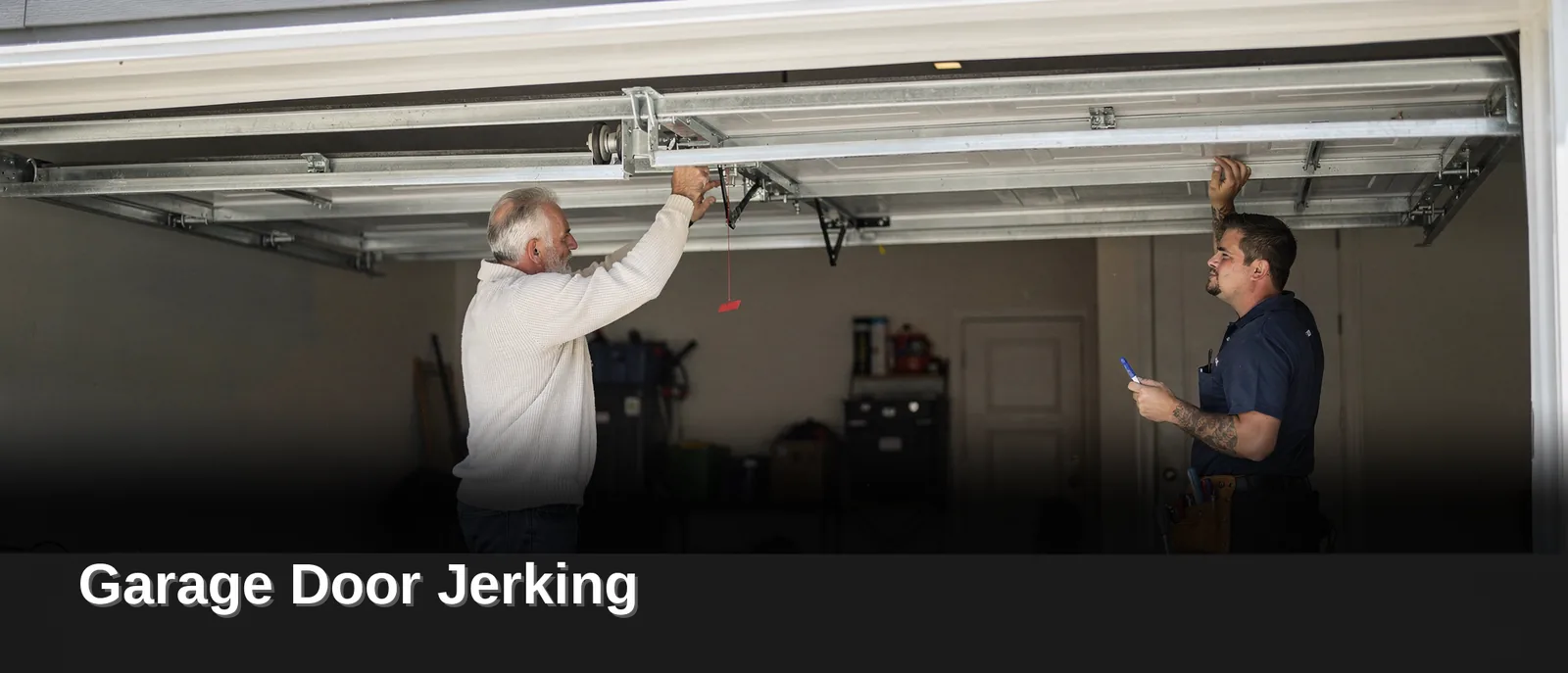
Jerky garage door movement usually results from worn rollers, broken torsion springs, or misaligned tracks, which can cause uneven cable tension. Precision Garage Door of Bakersfield recommends lubricating rollers monthly, tightening hardware, and replacing damaged springs immediately, since imbalanced systems strain openers and create dangerous jerking motions during operation.
Precision Garage Door of Bakersfield is located in Bakersfield, CA, US. These components wear unevenly over time, causing the door to shake, stall, or clunk along the track. Trained service professionals diagnose the exact cause and complete repairs, replacements, or installations to restore smooth, balanced operation.
Key Takeaways
- Malfunctioning pulleys, damaged rollers, and worn springs cause jerky garage door movements during opening.
- Jerking at the beginning of opening indicates parts are out of balance or misaligned.
- Uneven door movement signals that your system needs professional diagnosis and repair.
- Our Bakersfield technicians identify root causes and provide repair, replacement, and installation solutions.
Why Does Your Garage Door Jerk When Opening?
Several mechanical failures inside the door system typically explain garage door jerking. Three components cause the bulk of these cases: pulleys, rollers, and springs. Notes that sudden, uneven movement signals something in the system isn’t working correctly, a warning sign homeowners shouldn’t ignore.
Malfunctioning pulleys rank among the most frequent culprits behind a jerking door. Pulleys guide the cables that lift the door. When they stick, bind, or wear down, the door’s motion turns choppy instead of smooth.
Damaged rollers create a similar effect. As rollers travel along the track, any cracking, warping, or misalignment throws off the door’s rhythm, producing a jerking motion that worsens over time. This is often why a garage door opens unevenly, catching on one side while moving freely on the other.
Worn-out springs are a common cause. Springs carry much of the door’s weight. Once they lose even tension, the door struggles to rise smoothly, jerking as it fights against uneven resistance.
What does it mean when a garage door shakes while opening?
Shaking usually points to one of these three mechanical issues working against each other rather than together. A door in good working order should glide with little resistance.
Can a jerking garage door get worse over time?
Yes. Worn rollers, strained pulleys, and fatigued springs tend to degrade further with continued use. Left unaddressed, the uneven stress can damage the track or opener, making professional garage door repair more involved down the line.
What Causes a Garage Door to Open Unevenly?
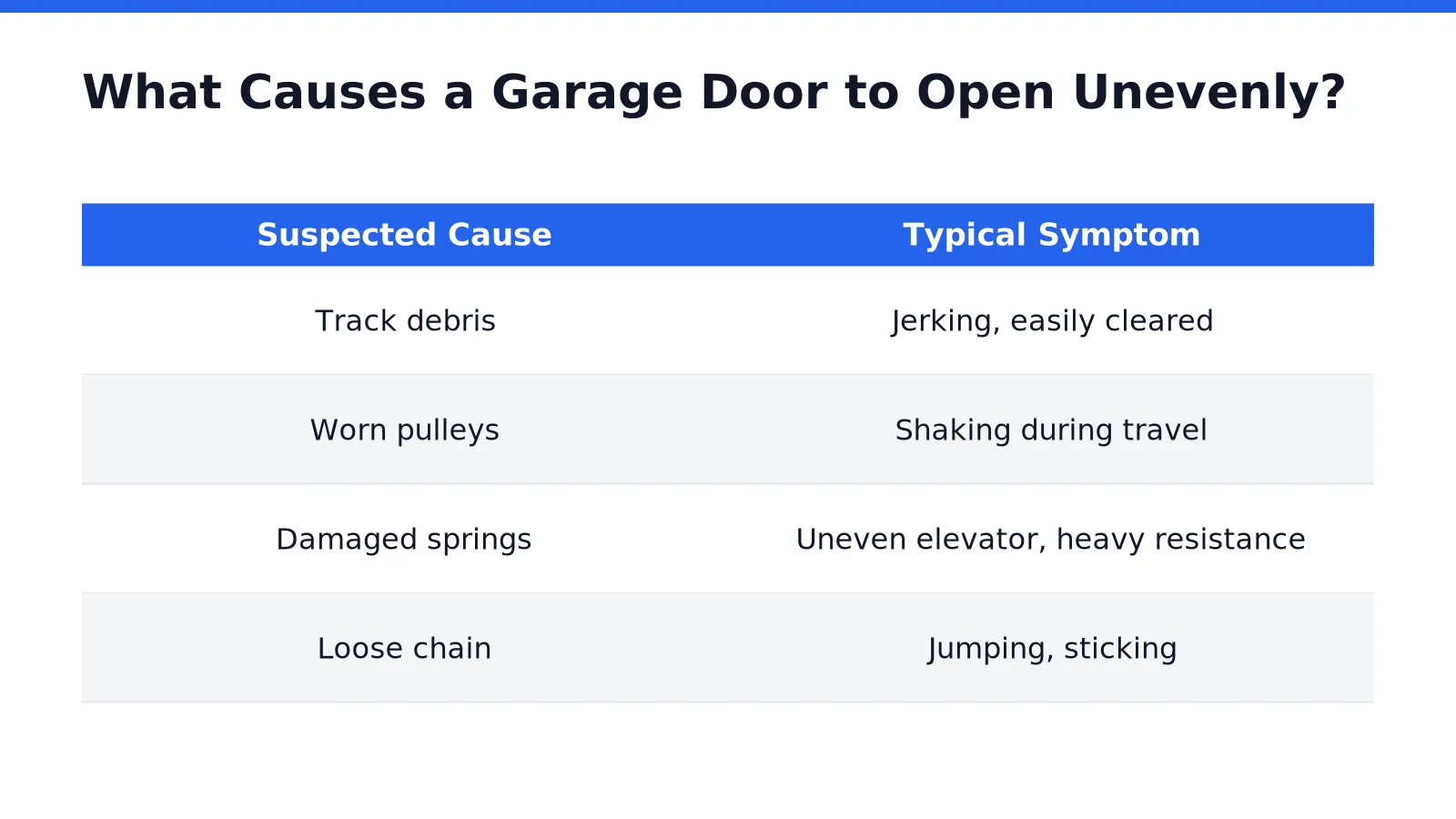
Four mechanical culprits typically explain garage door jerking: track debris, worn pulleys, damaged springs, and a loose drive chain. Each produces a distinct pattern, but all share one trait: a door that shakes, hesitates, or refuses to glide smoothly along its track.
A door that shakes violently or won’t close all the way often indicates a significant mechanical problem. That combination of symptoms rarely points to a minor annoyance. Instead, it usually means something structural inside the system has shifted out of alignment.
Sometimes the fix is far simpler than homeowners expect. Dirt, leaves, or small debris sitting on the track can make a garage door opens unevenly pattern appear overnight. Clearing the track resolves this version of the problem without any parts replacement.
Other cases trace back to something more serious. Damaged springs carry much of the door’s weight. When they wear out or snap, the door jerks in the same visible way debris does. This is where the cause becomes harder to pinpoint without a trained eye.
Why does a chain-drive opener make the door jump?
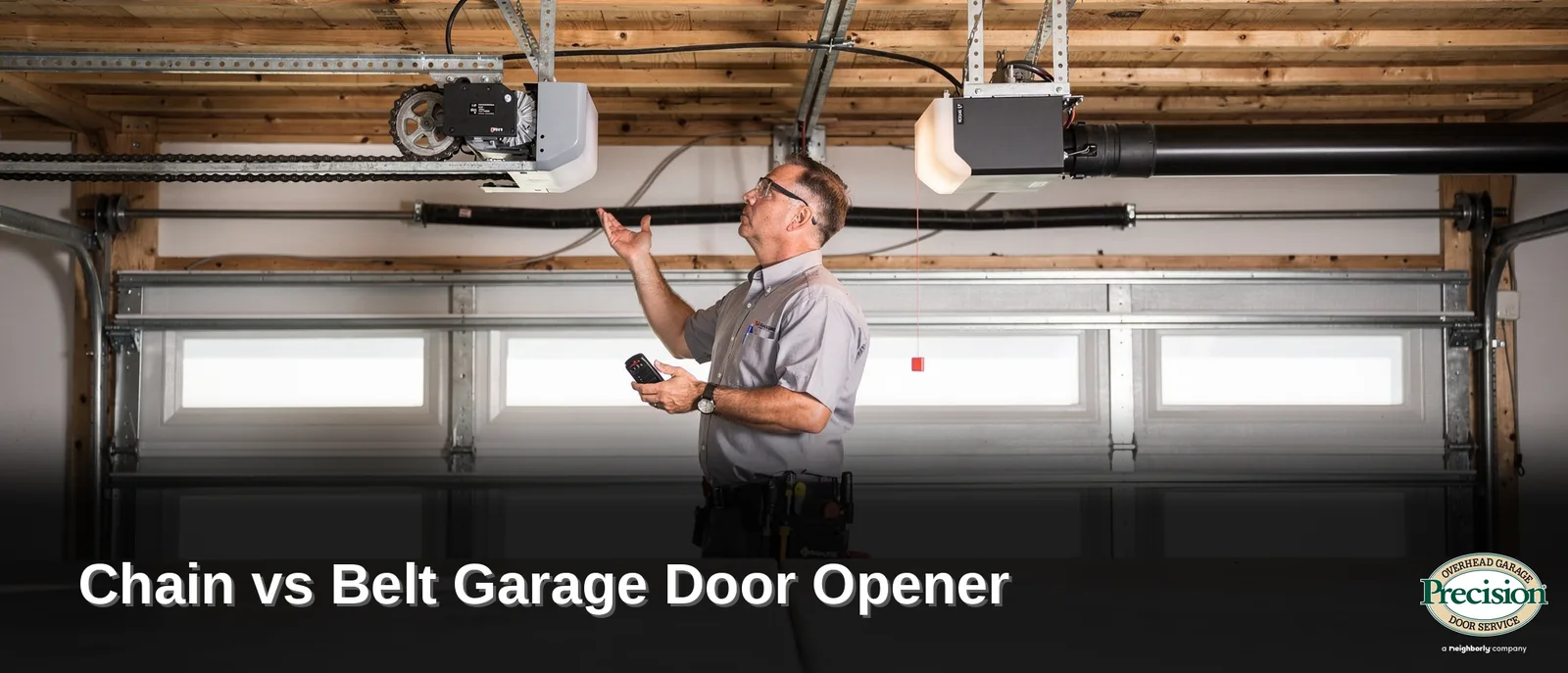
A loose chain inside a chain-drive opener lets the door jump or stick partway through its travel. The chain connects the opener’s motor to the door itself, so any slack interrupts that smooth, continuous pull. Homeowners who notice jumping specifically tied to the opener’s motion, rather than the door’s weight, often find chain tension at the root.
Professional garage door repair technicians diagnose these patterns by testing each component individually, rather than guessing from symptoms alone.
Is a Jerking Door a Safety Hazard?
A jerking garage door signals more than simple annoyance for homeowners. Sudden, uneven movement often points to mechanical strain that worsens over time. Left unchecked, that strain creates risk for anyone standing near the door when it operates.
Garage door jerking rarely starts out dangerous, but it rarely stays harmless either. Debris on the track might cause a minor shake at first. Damaged springs, however, carry stored tension that grows more hazardous the longer the problem sits unaddressed. A spring under constant strain can fail suddenly, turning a noisy nuisance into a real hazard for anyone in the door’s path.
Age and exposure matter as well. Older systems, or those exposed to heavy moisture and shifting temperatures, run into jerking problems more often than newer, well-maintained units. Homeowners living with those conditions should treat early jerking as a warning sign, not a cosmetic quirk.
Why does catching jerking early matter?
Addressing the root cause early keeps minor wear from snowballing into major damage. A door jerking today can bind, derail, or drop without warning tomorrow. Prompt attention keeps the system running quietly and operating safely for years to come.
Is it still safe to use a door that opens unevenly?
When a garage door opens unevenly, continued use raises the odds of spring failure, track damage, or panel misalignment. Waiting rarely makes the problem smaller. Scheduling garage door repair promptly lets trained technicians pinpoint the failing component before a small issue becomes a costly, dangerous breakdown. This is the kind of thorough diagnosis Precision Garage Door of Bakersfield provides.
Can You Diagnose the Problem Yourself at Home?
Yes, homeowners can run through a few basic checks before calling in help. A few simple diagnostic steps can often reveal what’s behind garage door jerking without any special tools.
Is the opener chain the culprit?
Models that use a chain-drive opener sometimes jerk because the chain has come loose. Checking the chain’s tension takes just a minute and rules out one common cause right away.
What happens when you move the door by hand?
Disconnecting the opener and raising or lowering the door manually gives a clear read on the problem. This step lets a homeowner feel exactly where the motion turns rough or uneven, pinpointing whether the trouble sits near the bottom, middle, or top of the track.
A short at-home inspection generally covers three areas:
- Chain tension: a loose chain on chain-drive openers often produces jerky starts.
- Manual movement test: disconnecting the opener and cycling the door by hand reveals exactly where resistance begins.
- Lubrication check: dry or dirty rollers and springs create friction that shows up as sudden jerks or an uneven opening.
Lubricating the rollers and springs frequently smooths out minor jerking tied to friction or dried-out lubricant. A light coating, wiped on and worked through a few open-close cycles, resolves plenty of cases without further intervention.
Not every cause reveals itself this easily, though. If the source of the jerking remains hidden after these checks, trained garage door repair professionals can identify the exact issue and fix it at the root, rather than treating symptoms alone.
When Should You Call a Garage Door Repair Pro?
A homeowner should call a professional as soon as garage door jerking turns into shaking, stalling, or a door that sounds ready to leave its track. Waiting on a problem like this can turn a minor fix into a major, more involved repair. Jerky movement rarely resolves on its own, and ignoring it invites further strain on the system’s hardware.
Diagnosing the exact cause isn’t always straightforward for an untrained eye. Malfunctioning pulleys, damaged rollers, and worn springs all produce similar symptoms, making a visual inspection tricky for most homeowners. Trained technicians identify the specific issue and determine whether garage door repair, replacement, or a full installation makes the most sense.
What are the signs a jerking door needs professional attention?
A door that opens unevenly, shakes visibly, or fails to lower smoothly has moved past a simple nuisance. These symptoms often point to misaligned tracks or compromised springs, both of which carry real safety risk. Once a garage door opens unevenly on a regular basis, scheduling a professional inspection becomes the safer path forward.
Why does understanding the cause matter before calling for help?
Knowing the common culprits behind a shaking door, whether debris, worn rollers, or aging springs, helps homeowners describe the problem clearly and work more efficiently with a technician. This groundwork supports faster, more accurate repairs.
Local homeowners with these symptoms can contact Precision Garage Door Service of Bakersfield, based in Bakersfield, CA, for hands-on diagnosis and repair support. Prompt attention keeps a small issue from becoming a costly system failure.
FAQ
What causes a garage door to jerk when opening?
Malfunctioning pulleys, damaged rollers, and worn springs are the main causes of a jerking garage door.
Does a jerking garage door get worse over time?
Yes, worn rollers, strained pulleys, and fatigued springs degrade further with continued use. If left unaddressed, uneven stress can damage the track or opener, making professional repair more involved later.
What should I do if my garage door opens unevenly?
Check the track for debris like dirt or leaves, since clearing it can resolve some cases without replacing parts. If shaking, incomplete closing, or track noise persist, contact Precision Garage Door of Bakersfield for professional diagnosis and repair.
Conclusion
In closing, a jerky garage door doesn’t have to stay that way; most of these issues come down to simple maintenance and alignment fixes you can tackle yourself or with professional help. Whether it’s lubricating those tracks, tightening loose hardware, or balancing the door properly, addressing the root cause gets your garage door running smoothly again. When you’re ready to get back on track, you have the knowledge to move forward with confidence.