Garage Door Opener Repair Tips for Homeowners: Troubleshooting, Maintenance, and Parts Replacement
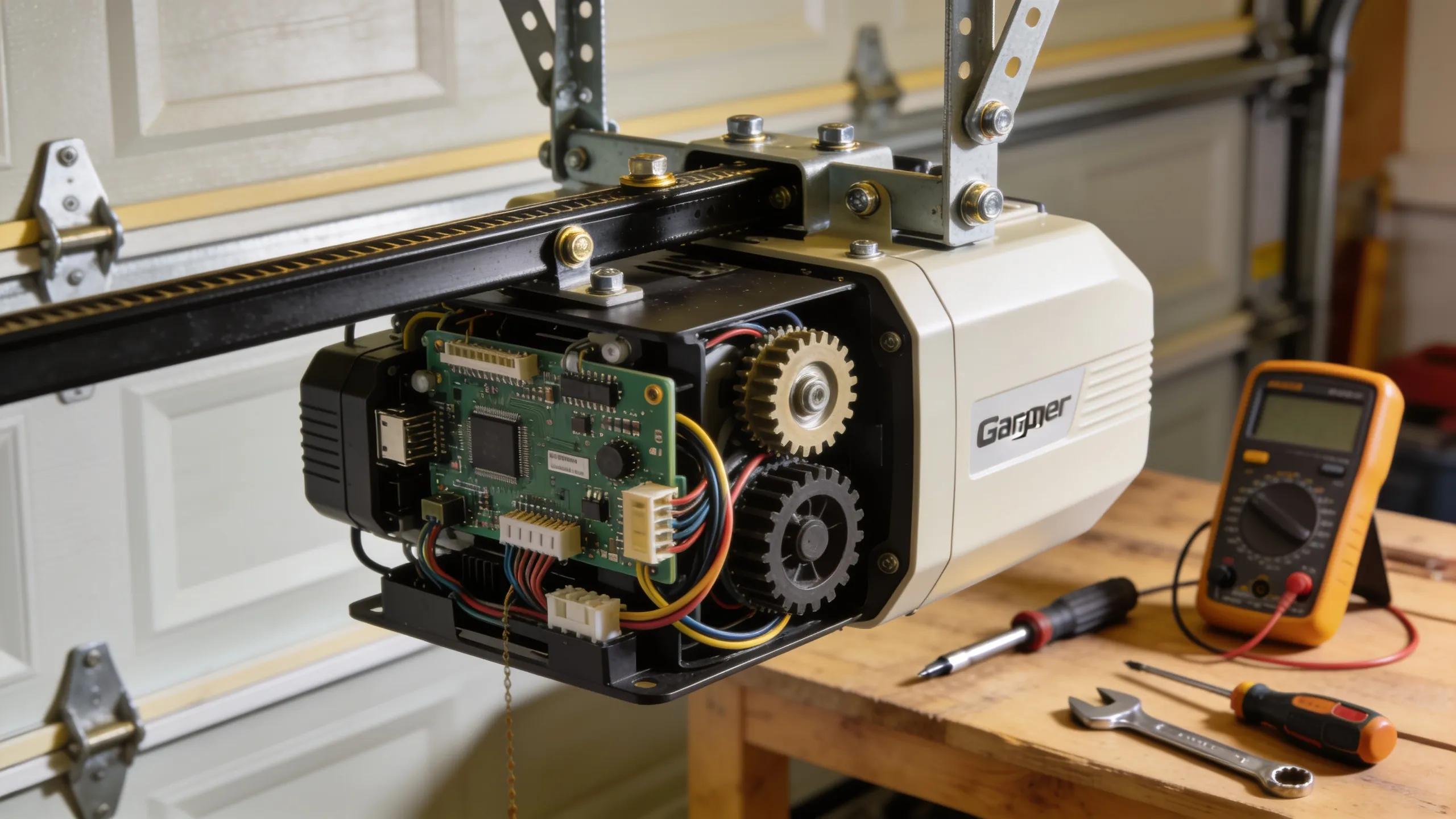
A malfunctioning garage door opener can lead to significant inconvenience for homeowners, potentially compromising home security and convenience. Understanding garage door opener repair tips is essential for identifying issues, performing basic troubleshooting, and maintaining the device effectively. This comprehensive guide focuses on critical aspects, including common signs indicating a need for repair, essential maintenance practices, and when to seek professional help. Homeowners will discover the importance of early detection when problems arise, as well as the effective DIY methods for resolving issues, ultimately ensuring a safer and more functional garage door.
What are the Common Signs Your Garage Door Opener Needs Repair?
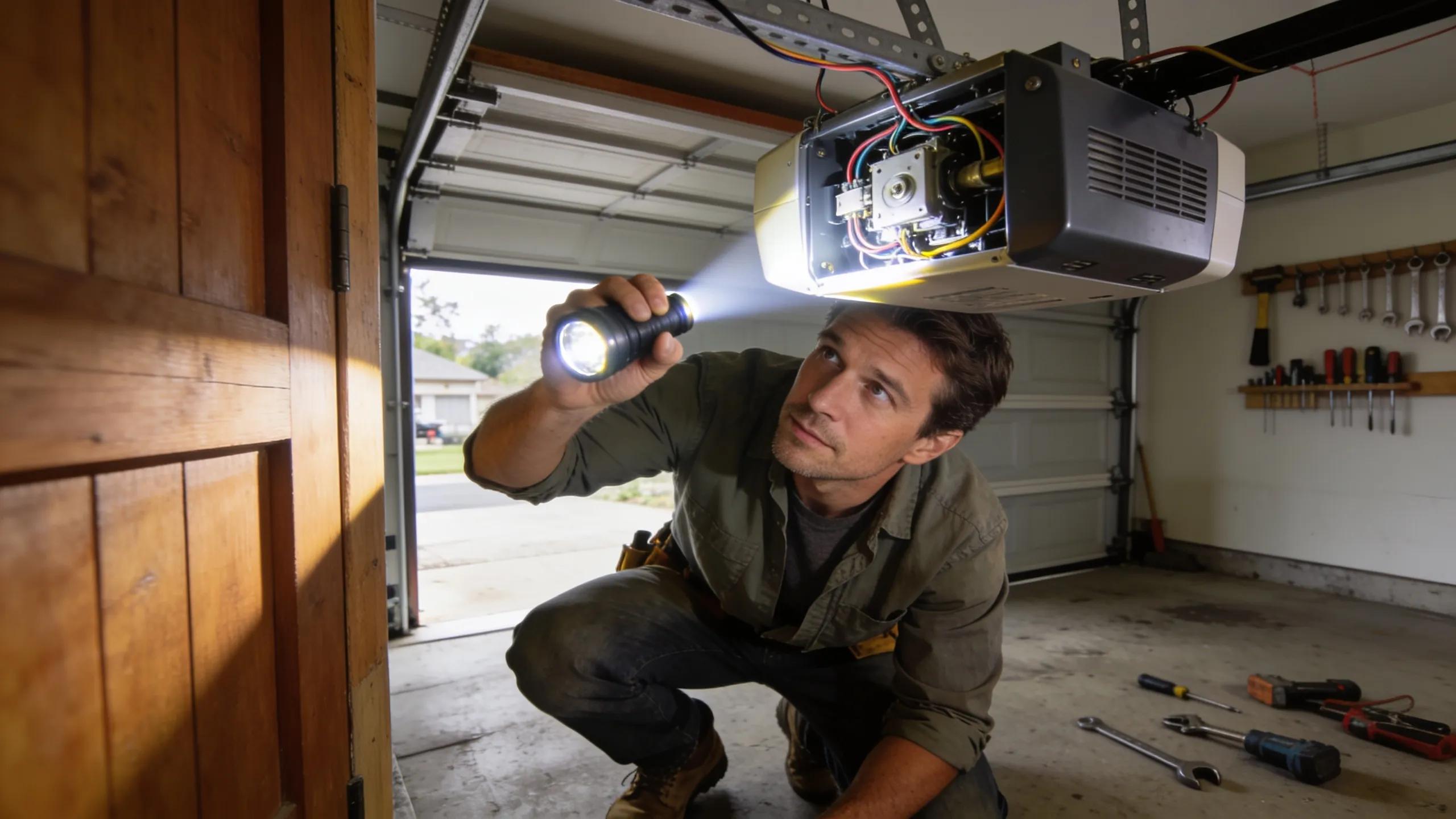
Identifying the warning signs of a malfunctioning garage door opener is key to preventing further issues. Common indicators include an unresponsive opener, erratic operation, or unusual noises during operation. Being vigilant about these signs will allow homeowners to address potential problems swiftly and avoid costly repairs later on.
How to Identify Garage Door Opener Not Responding Issues
- Check the Power Supply: Ensure the opener is receiving electricity. A blown fuse or tripped circuit breaker can cause the opener to stop working entirely.
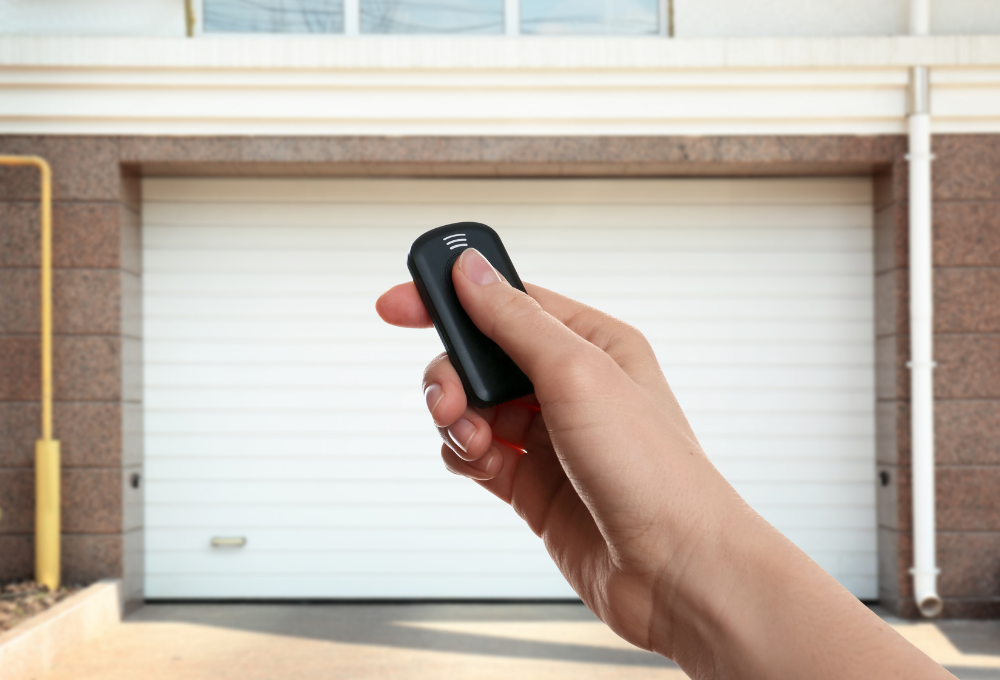
- Inspect the Remote Control: Replace the batteries in the remote control or try using the wall switch to see if the opener activates.
- Examine Safety Sensors: Ensure that the safety sensors located near the floor are aligned correctly and free from obstructions.
What Safety and Sensor Problems Indicate Opener Failure?
Several safety issues can signal a failing garage door opener. Flashing LED lights on the opener often indicate sensor alignment problems. Additionally, physical obstructions in the sensor path can prevent the opener from functioning properly. Lastly, if the garage door operates inconsistently, it’s essential to investigate potential sensor or mechanical issues.
When to Seek Professional Assistance
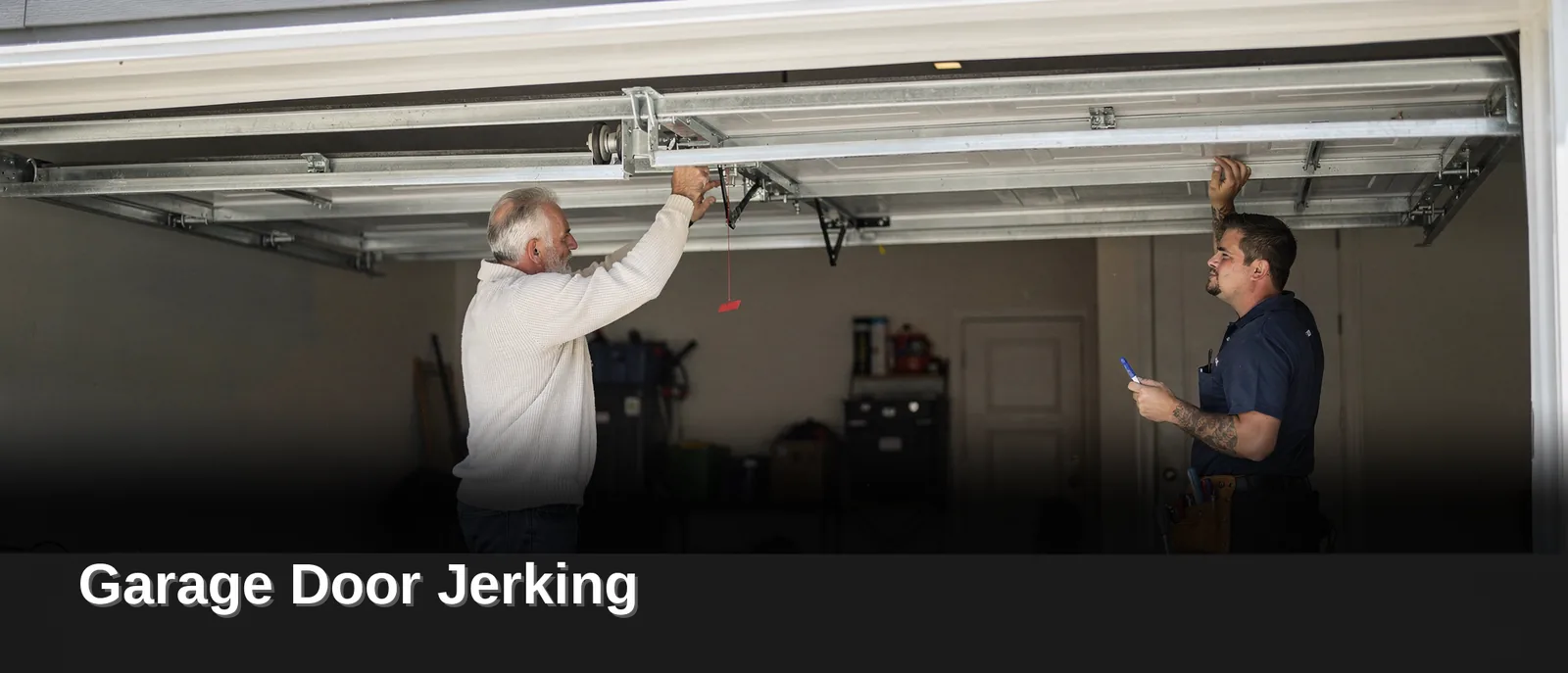
While some issues can be tackled with basic troubleshooting, there are times when homeowners should seek professional assistance. If fundamental troubleshooting fails, noticeable signs of mechanical failure, or safety concerns arise, it’s critical to contact a professional. For expert repair service and support to ensure your opener is functioning safely and effectively, consider Precision Garage Door Service. Their team can diagnose complex issues that may be challenging to address on one’s own.
Which Garage Door Opener Troubleshooting Steps Can Homeowners Perform?
Homeowners can undertake several troubleshooting steps before calling in a professional. These actions can help identify the problem with the garage door opener and potentially resolve it without additional costs.
- Inspect Power Supply: Confirm that the garage door opener is plugged in and receiving power.
- Test the Remote Control: Make sure the remote control works. If it’s not functioning, consider replacing the batteries.
- Check for Obstructions: Always ensure that the door’s path is clear, and safety sensors are unobstructed and properly aligned.
What Are Step-by-Step DIY Methods to Diagnose Opener Problems?
Diagnosing garage door opener problems involves systematic steps to identify the root issue. Start by examining the power source and remote controls. Then proceed to inspect the garage door itself for any signs of damage or blockage. For operations that seem erratic, checking the mechanical parts like rollers and tracks can prove beneficial. If you need to address complex issues that may be challenging to handle yourself, professional garage door repairs can ensure safety and effectiveness.
- Power and Remote Check: Confirm both the power supply and remote are functional.
- Mechanical Inspection: Look for any signs of wear or damage on the garage door’s tracks or rollers.
- Sensor Alignment: Ensure that safety sensors are aligned properly and free from dust or debris.
When Should You Avoid DIY Repairs on Your Garage Door Opener?
Though many issues can be addressed with DIY methods, certain situations should prompt homeowners to refrain from attempting repairs themselves. If safety hazards arise, such as electrical issues or heavy components, or if the homeowner lacks proper tools, it’s best to consult professionals. For instance, if you suspect broken springs or other significant mechanical problems, it is advisable to seek expert assistance.
- Safety Hazards: If working with electrical components, consider hiring a professional to avoid shock or injury.
- Lack of Proper Tools: Specialized tools are often necessary for certain repairs.
- Legal and Warranty Implications: Some repairs may void warranties if improperly executed; professional help can ensure compliance.
How Can Regular Maintenance Extend the Life of Your Garage Door Opener?
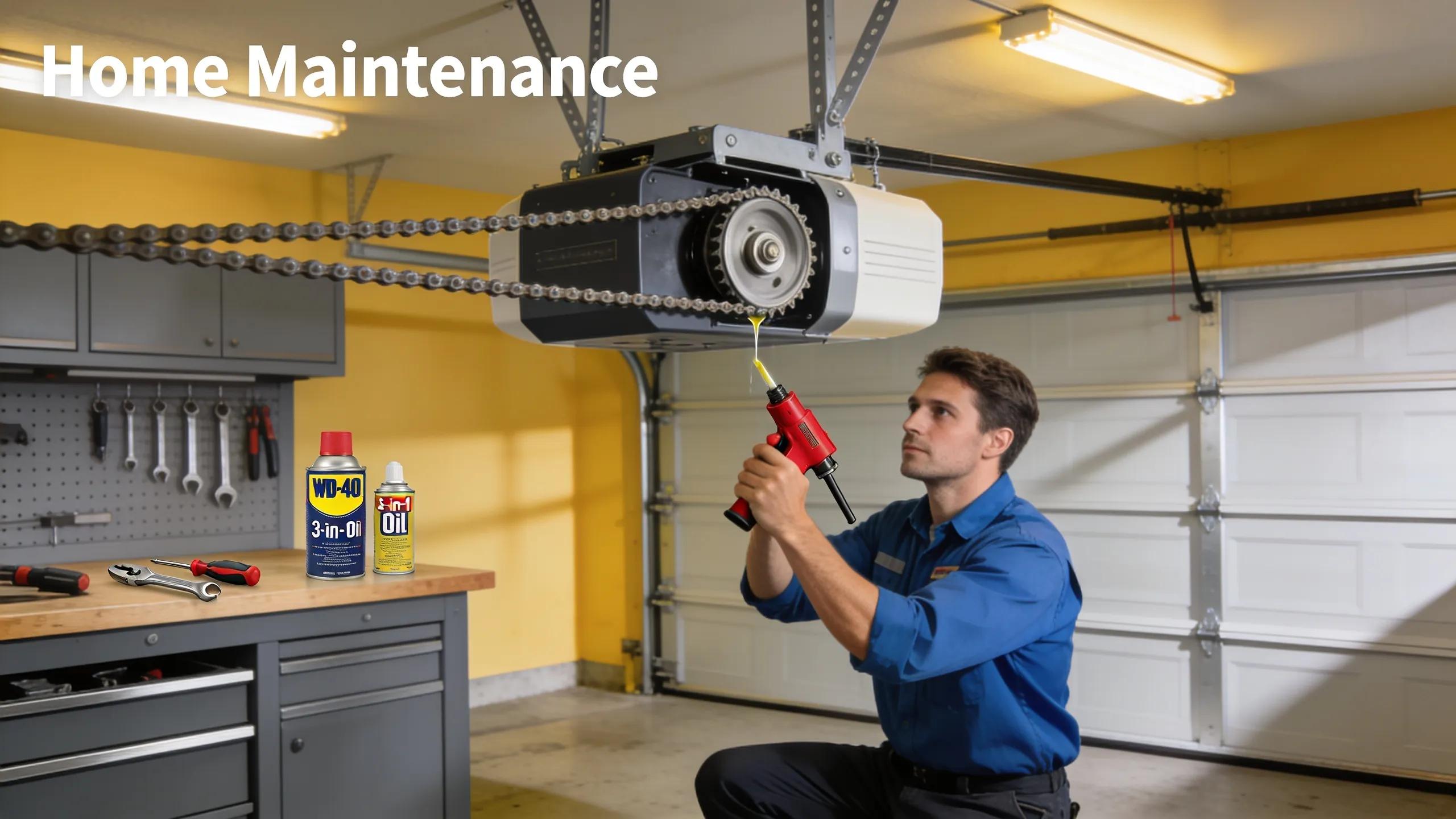
Regular maintenance is crucial for extending the lifespan and functionality of a garage door opener. Simple practices like lubricating moving parts, regularly inspecting balance, and testing safety features can prevent unexpected breakdowns. Proper care, including checking for issues with rollers and cables, is also key to maintaining smooth operation and preventing wear.
- Lubricating Moving Parts: Regular lubrication of springs and rollers can minimize wear and tear.
- Inspecting Door Balance: Ensure the door opens and closes smoothly, indicating correct balance.
- Testing Safety Features: Periodically test safety features to confirm they function correctly.
What Routine Maintenance Tasks Should Be Performed and How Often?
Homeowners should perform several essential maintenance tasks to keep their garage door openers functioning optimally. The frequency of these tasks may vary based on usage and environmental factors.
- Lubrication: Every 6 months, lubricate moving components to maintain smooth operation.
- Annual Inspections: Schedule yearly professional inspections to identify potential health issues with the doors and opener.
- Battery Replacement: Replace remote control batteries annually to ensure consistent performance.
Which Garage Door Opener Parts Require Frequent Inspection and Replacement?
Being familiar with the garage door opener’s components can help homeowners maintain their systems effectively. Key parts requiring regular inspection include the springs, cables, and sensors to avoid operational failures.
- Springs: These are vital for lifting the door. Regular inspection for tension is necessary to prevent breakage.
- Cables: They wear out over time and should be examined for fraying or damage.
- Sensors: Ensure sensors are clean and functioning for safe operation.
When and Why Should Homeowners Contact Professional Garage Door Opener Repair Services?
Understanding when to seek professional help is vital for maintaining a safe and functional garage. Homeowners should contact services like Precision Garage Door Service when they observe signs of needing extensive repairs or mechanical failures. Issues such as noisy door operation or unexpected malfunctions often require professional diagnostic and repair services.
- Signs of Needing Professional Help: If you’ve attempted DIY troubleshooting without success, consider hiring an expert.
- Safety Concerns: Any issues that pose risks to safety, such as strange noises or sudden failures, should be addressed by professionals.
- Complex Repair Needs: Mechanical issues may require specialized skills and tools best handled by trained technicians.
How Does Professional Repair Ensure Safety and Longevity?
Engaging professional repair services guarantees that the garage door opener is serviced according to industry standards. Experts possess the experience, necessary tools, and knowledge to perform repairs safely and efficiently.
- Expertise: Professional technicians understand the complexities of garage door systems and can troubleshoot effectively.
- Tool Access: Specialized tools often needed for repairs are available to experts only.
- Quality Assurance: Professional repairs often come with a warranty, ensuring that the work meets high standards.