
Garage Door Safety Inspection Checklist: Garage Door Repair, Installation
By Precision Garage Door Service Editorial Team · Updated 2026-08-03
A garage door safety inspection checklist includes 10 key points: springs, cables, tracks, rollers, hinges, photo-eye sensors, auto-reverse function, weatherstripping, hardware tightness, and opener force settings. Precision Garage Door Service recommends annual professional inspections in Bakersfield, CA, to catch wear before it causes accidents or costly failures.
Garage Door Safety Checklist essentials: test the automatic reverse function periodically; inspect balance and alignment (a garage door balance test); check bottom brackets (for extreme tension). Confirm torsion or extension springs have safety containment features. Precision Garage Door Service, serving Bakersfield, CA, recommends inspecting your door twice yearly to maintain safe, smooth operation.
A thorough garage door safety inspection includes testing the automatic reverse function (a garage door auto-reverse test), checking bottom brackets for tension issues, and inspecting the lintel that supports the door frame. Homeowners should verify spring containment cables, since Clopay torsion springs wrap around a shaft to prevent dangerous snapping. Precision Garage Door Service recommends performing these checks periodically for lasting safety.
Key Takeaways
-
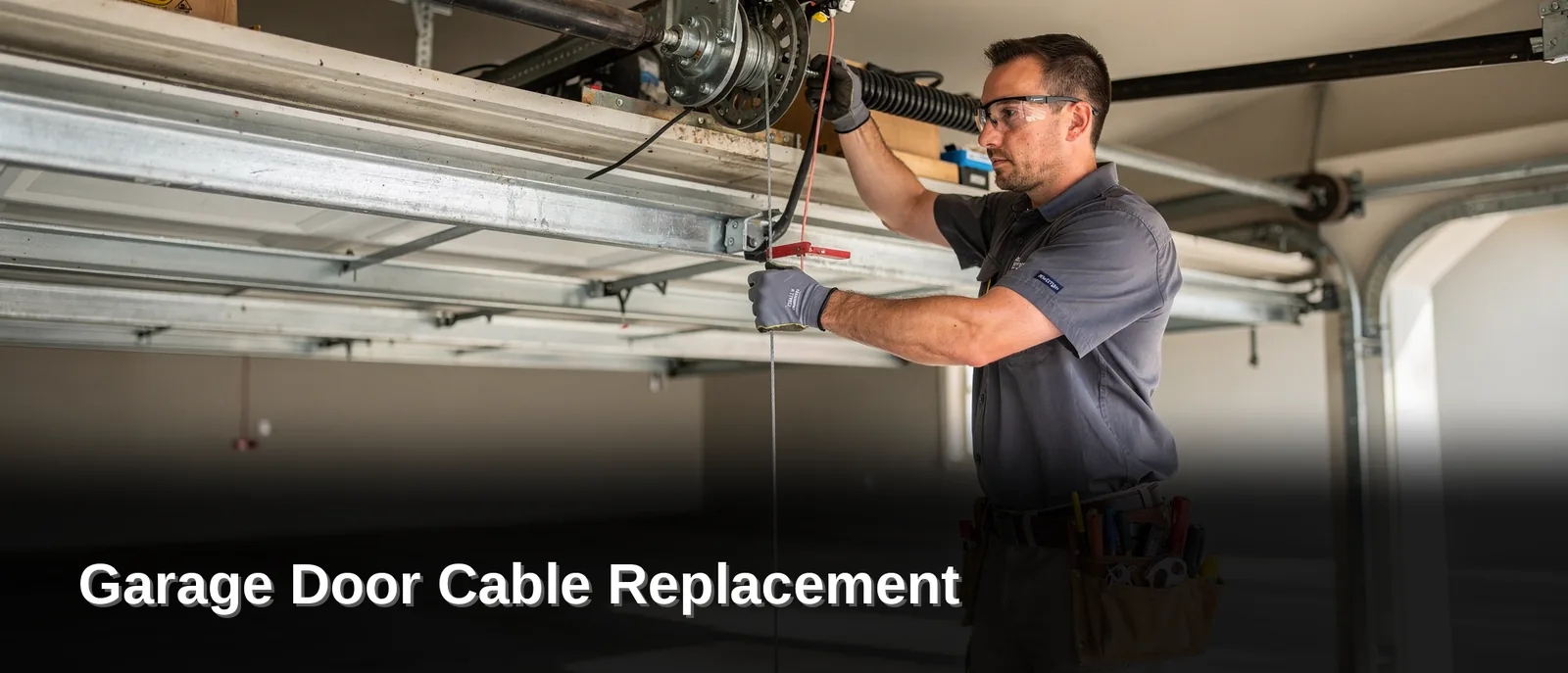
Clopay extension springs feature safety containment cables that prevent snapping springs from causing injury or damage.
-
Torsion spring garage doors install springs around the shaft to contain them if breakage occurs.
-
The garage door represents the largest moving object on residential homes requiring regular safety maintenance.
-
Professional inspections maximize homeowner safety by identifying potential hazards in garage door systems.
Clopay extension springs feature safety containment cables that prevent snapping springs from causing injury or damage.
Torsion spring garage doors install springs around the shaft to contain them if breakage occurs.
The garage door represents the largest moving object on residential homes requiring regular safety maintenance.
Professional inspections maximize homeowner safety by identifying potential hazards in garage door systems.
What Do You Need Before a Safety Check?
A few basic tools and a clear walk-around path around the garage door make preparation complete. Homeowners do not need special equipment to begin a garage door safety inspection checklist. A flashlight, a tape measure, and a notepad cover most needs. Gathering these items first prevents interruptions once testing starts.
What items should homeowners gather first?
A short supply list keeps the process efficient:
-
Flashlight for checking tracks, hinges, and shadowed corners
-
Tape measure for spacing and gap checks
-
Notepad or phone to log findings
-
Clear space to move the door through a full cycle
Flashlight for checking tracks, hinges, and shadowed corners
Tape measure for spacing and gap checks
Notepad or phone to log findings
Clear space to move the door through a full cycle
Should the surrounding structure be checked too?
Yes. The framing above the door deserves attention before any mechanical testing begins. This includes the lintel, the load-bearing beam supporting the door opening. Warping or cracking here signals a structural issue, not just a door problem. Homeowners in Bakersfield, CA can rely on Precision Garage Door Service to verify findings from any do-it-yourself review — an example of when to call a garage door professional.
FAQ
How often should a garage door safety inspection occur?
Precision Garage Door Service recommends inspecting your garage door twice yearly. This schedule maintains safe, smooth operation and helps catch tension or alignment issues before they become hazards.
What tools does a homeowner need for a safety check?
A flashlight, tape measure, and notepad cover most inspection needs. These basic items check tracks, hinges, shadowed corners, and spacing gaps without requiring special equipment.
Why do springs need containment features?
Torsion springs wrap around a shaft, while extension springs use safety containment cables; both designs prevent dangerous snapping. This containment protects homeowners from injury or property damage if a spring breaks.

Facts
-
Precision Garage Door Service is located in Bakersfield, CA, US.
Precision Garage Door Service is located in Bakersfield, CA, US.