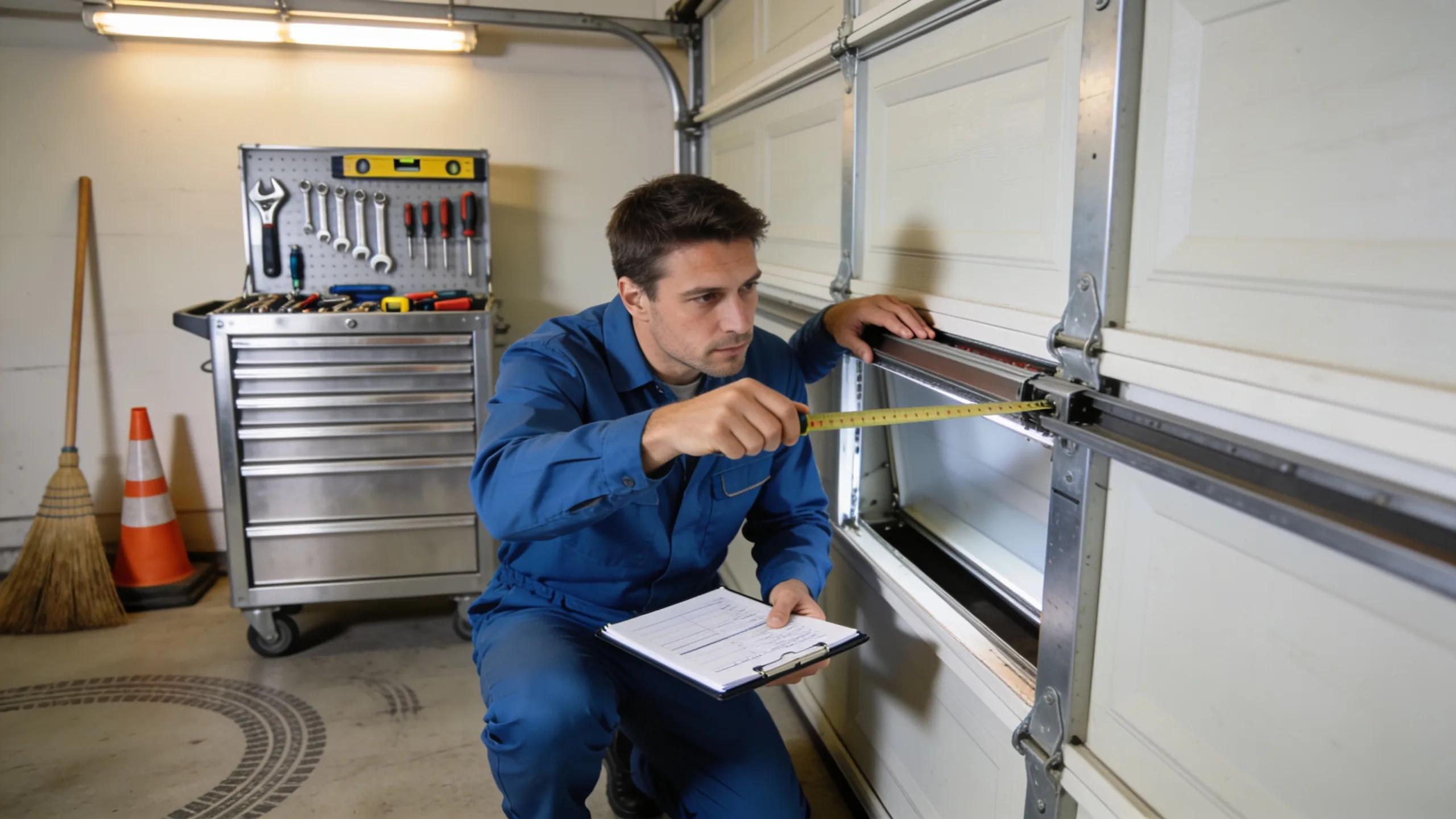
How to Fix a Noisy Garage Door: Expert Causes, Maintenance, and Repair Solutions
A noisy garage door can be frustrating and indicative of underlying issues. This guide addresses several common causes of garage door noise, offering maintenance tips and effective repair solutions to restore peace and functionality. By understanding why your garage door is making noise, you can take proactive steps to address these problems. From the impacts of poor lubrication to identifying worn-out parts, this article will explore the anatomy of a noisy garage door and how to fix it. Expect insights into common issues, expert recommendations, and practical maintenance to keep your garage door operating smoothly.
Expert Causes of Noise
Garage doors can make a variety of noises for several reasons. One of the primary causes of noise is the lack of lubrication on moving parts, leading to friction and squeaking. Additionally, loose hardware can create rattling sounds, while worn-out components can produce more significant mechanical noises. It’s essential to identify the exact cause to address it properly and to prevent future occurrences. By understanding these common noise sources, homeowners can better anticipate when and how to intervene.
Essential Maintenance Tips
Regular maintenance is crucial to keep your garage door functioning quietly and reliably. Here are some essential maintenance tips:
- Lubricate Moving Parts: Regular lubrication of rollers, tracks, and hinges reduces noise and wear.
- Tighten Hardware: Periodically check and tighten any loose bolts or screws to minimize rattling sounds.
- Inspect Components: Regularly inspect garage door components like springs and cables for wear and tear, addressing issues before they escalate.
To guarantee the best results, develop a consistent maintenance schedule to keep your garage door operating smoothly.
This maintenance schedule promotes a quieter, more efficient garage door system.
Effective Repair Solutions
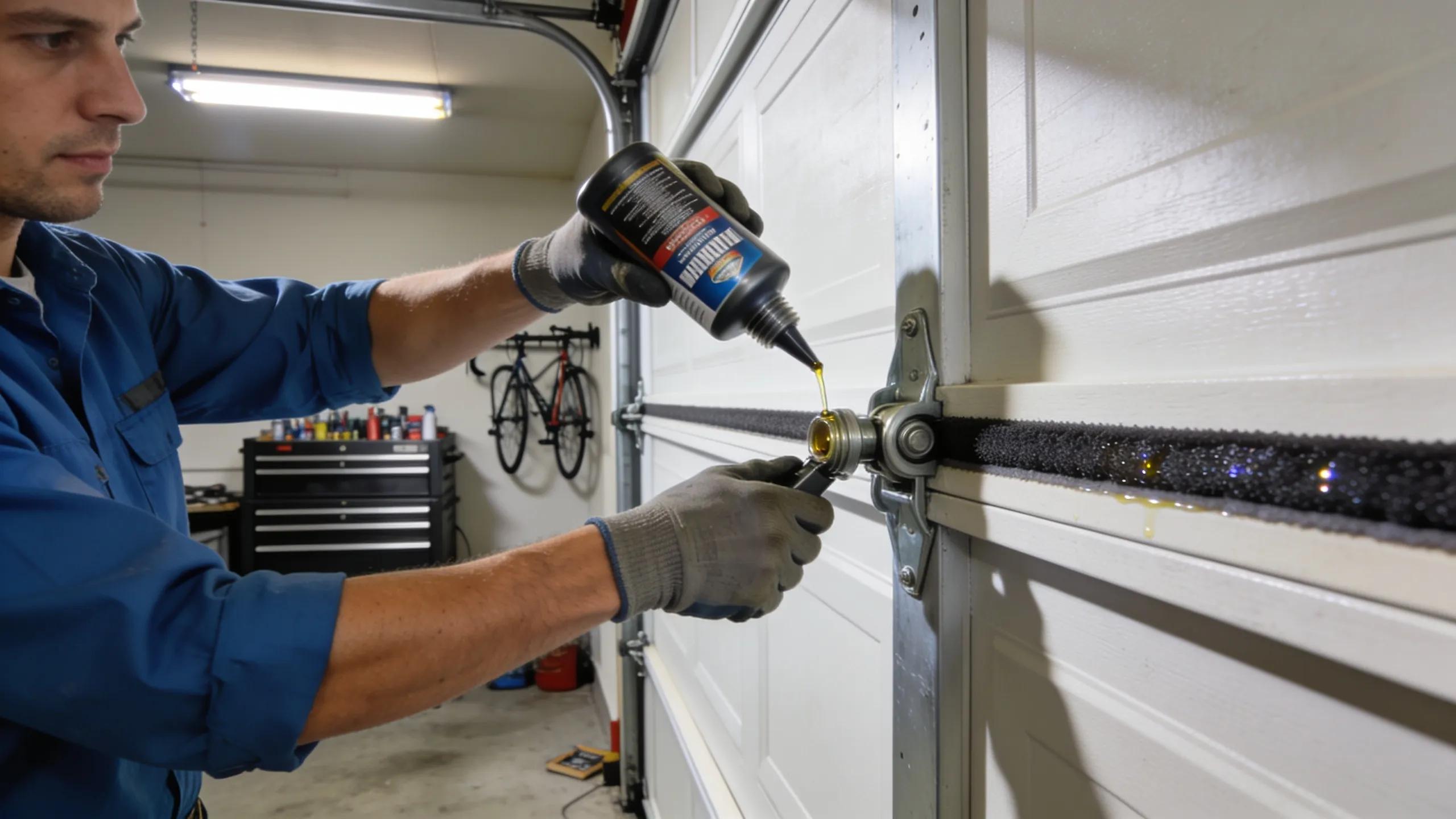
When DIY maintenance does not solve the noise problem, it may be time to consider repair solutions. Here are some effective measures:
- Lubrication: Apply the right lubricant to all moving parts to eliminate squeaks.
- Replace Worn Parts: Identify and replace any worn components, such as rollers or springs, that are causing noise.
- Professional Help: If the noise persists despite your best efforts, contacting a professional with experience in garage door repairs can provide the necessary expertise.
For residents of Bakersfield looking for professional assistance, Precision Garage Door Service offers comprehensive garage door repair services to address issues effectively. Their knowledgeable technicians can help restore your garage door’s quiet operation.
When Should You Seek Professional Garage Door Repair Services?
Understanding when to call professionals can save time and prevent further damage. Seek professional assistance if:
- Persistent Noise: If your garage door continues to make abnormal sounds despite lubrication and adjustments.
- Difficulty Opening: If the door struggles to open or close smoothly, this can be indicative of more serious mechanical issues.
- Component Wear: If visible wear on components is apparent, it is wise to consult with a professional.
Identifying these signs early ensures safe and effective repairs.
How to Contact Reliable Garage Door Repair Professionals in Bakersfield?
For those in the Bakersfield area, contacting Precision Garage Door Service is a recommended option. They provide reliable service and expertise in garage door repairs. Their contact details are:
- Company Name: Precision Garage Door Service
- Phone: 661-214-7712
- Address: 2130 Saturn Court, Bakersfield, CA 93308
Reach out to them for quality repairs and maintenance.
What Are the Common Causes of Garage Door Noise?
Several factors contribute to the noise your garage door may produce. Common mechanical issues often include:
- Lack of Lubrication: Essential for smooth operation, neglecting this can lead to noises.
- Loose Hardware: Pieces like nuts and bolts may create rattling sounds if they are not secured.
- Worn Components: Springs and rollers can wear out over time, leading to increased noise production.
By addressing these common issues, you can prevent more severe problems and maintain a quieter garage door.
How Does Lack of Lubrication Affect Garage Door Noise?
Inadequate lubrication can lead to several noise-related issues in garage doors. Lack of lubrication increases friction among moving parts, causing them to squeak, clatter, or even bind during operation. Regular lubrication is critical for optimal performance, and neglecting this simple task can lead to more significant repair needs down the road.
How Do You Properly Lubricate Garage Door Rollers and Components?
Proper lubrication involves these steps:
- Select the Right Lubricant: Use a silicone-based lubricant or garage door-specific oil for best results.
- Identify Key Areas: Apply the lubricant to the rollers, hinges, and tracks, ensuring even coverage.
- Remove Excess: Wipe off any excess lubricant to prevent dirt accumulation.
This thorough approach ensures your garage door remains quiet and operates efficiently.
What Are the Best Lubricants for Garage Doors?
The effectiveness of the lubricant can vary, but here are top recommendations:
- Silicone Spray: Provides lasting lubrication without attracting dirt.
- Lithium Grease: Excellent for heavy-duty applications, ideal for moving parts.
- Garage Door Oil: Specifically designed for garage doors, ensuring smooth operation.
Regularly applying these lubricants will help maintain your garage door in peak condition.
What Maintenance Tips Prevent Garage Door Noise Long Term?
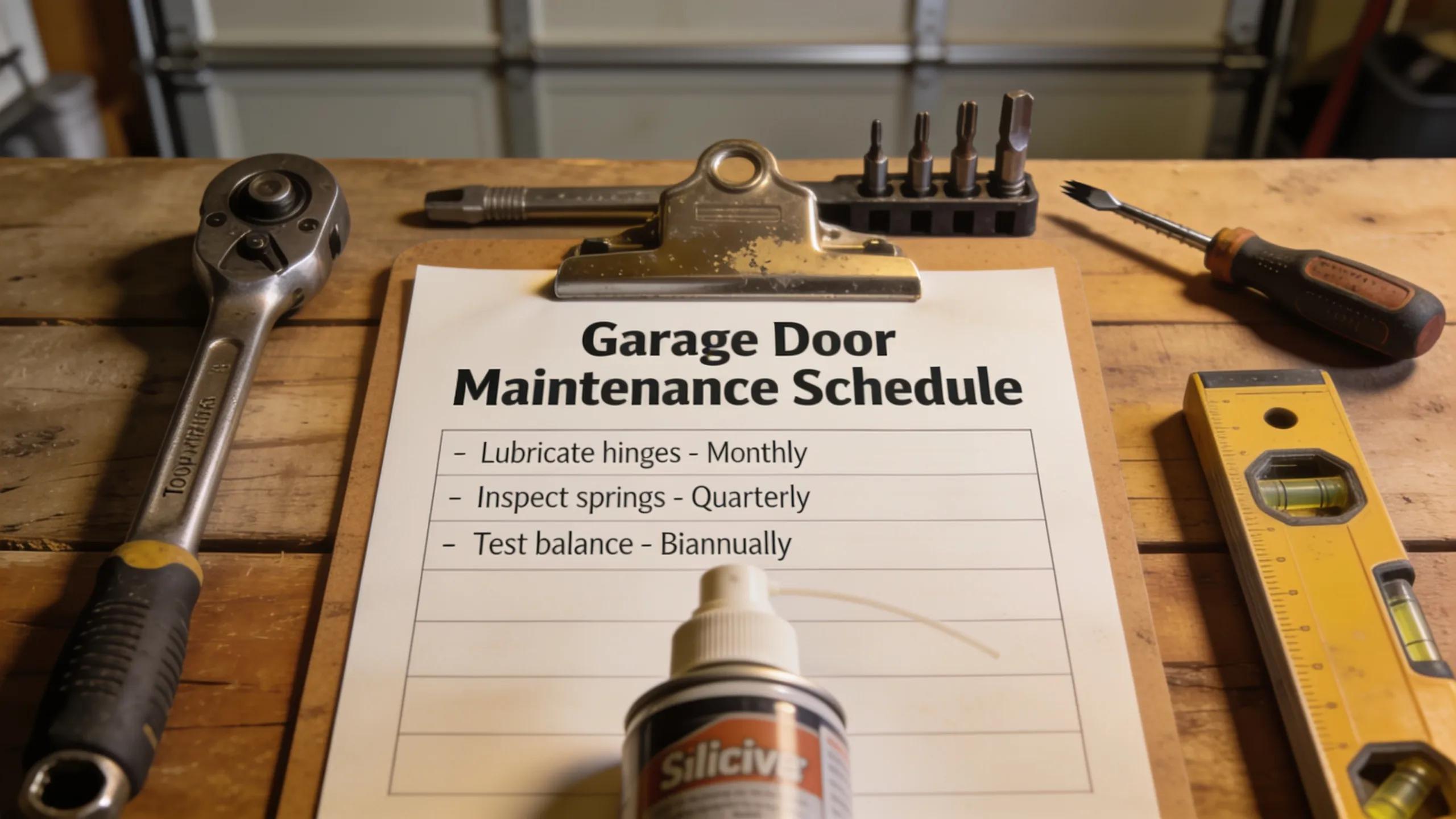
Long-term noise prevention requires a solid maintenance routine. Consider these proactive measures:
- Regularly Inspect and Maintain: Keep an eye on all moving parts and make repairs or replacements as needed.
- Adopt a Lubrication Schedule: Set a routine schedule for lubrication to prevent common noise issues.
- Listen for Changes: Become familiar with the normal sounds of your garage door to quickly identify any changes.
Implementing these strategies will prolong the life of your garage door and keep it operating quietly.
How Can Regular Inspections Reduce Noise Problems?
Regular inspections help identify issues before they morph into larger and noisier problems. During these inspections, components like springs and tracks can be checked for proper alignment and wear.
Which Parts Benefit from Periodic Replacement to Avoid Noise?
Parts that commonly benefit from periodic replacement include:
- Rollers: Replace if they show signs of wear or damage.
- Springs: Check for rust or fatigue; replace as necessary.
- Tracks: Ensure they are aligned correctly and free from debris.
These small but significant actions will aid in maintaining a quieter and more efficient garage door.