When to Replace Garage Door Rollers and Cables: Essential Signs and Professional Guidance
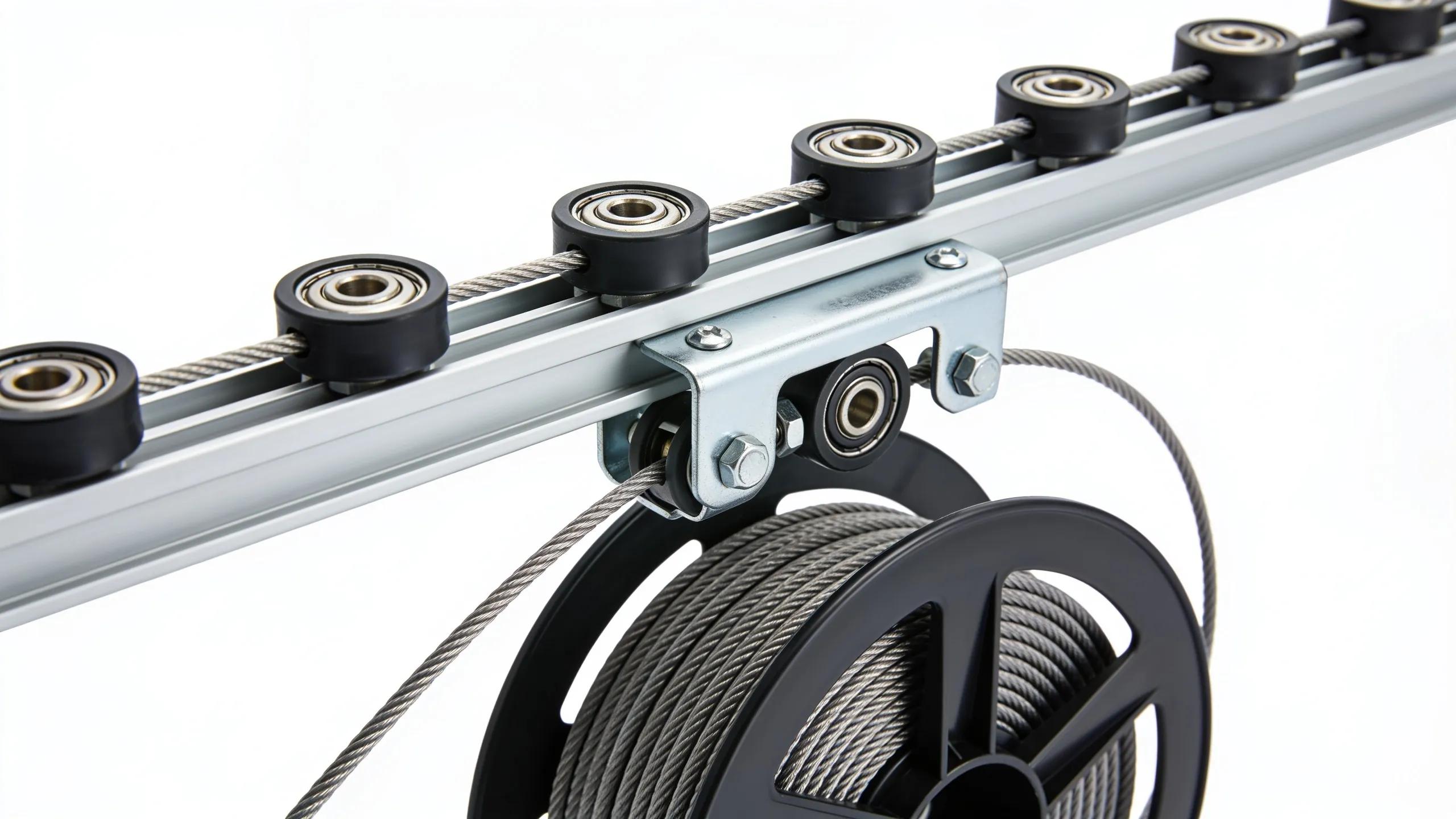
Garage door rollers and cables are critical components of your garage door system, directly impacting the door’s functionality and safety. Understanding when to replace these parts can save homeowners from costly repairs and potential safety hazards. This article guides you through the essential signs indicating a need for replacement, along with professional guidance on the replacement process. We will discuss common symptoms, factors influencing the lifespan of these components, and when to consider professional services. You’ll learn how to inspect your garage door rollers and cables, ensuring that you maintain optimal operation and safety in your home.
Signs Indicating When to Replace Garage Door Rollers and Cables:
Recognizing the signs that indicate it’s time to replace your garage door rollers and cables can help you prevent larger issues down the track. Several symptoms signal that replacement is necessary for both rollers and cables.
Noisy Operation:
A garage door that operates with unusual noises, such as squeaking or grinding, is a strong indicator that the rollers may be worn out. Noisy operation often results from a lack of lubricant or degradation of rollers, leading to increased friction. If these noises persist, it is advisable to consider replacement to avoid further damage to the door mechanism.
Visible Wear:
Inspecting your garage door rollers and cables for visible signs of wear is crucial. Look for any noticeable cracks, dents, or flat spots on the rollers, which can compromise their function. Additionally, check cables for fraying or other damage. Any visible wear should prompt immediate action to replace the components.
Jerky Movements:
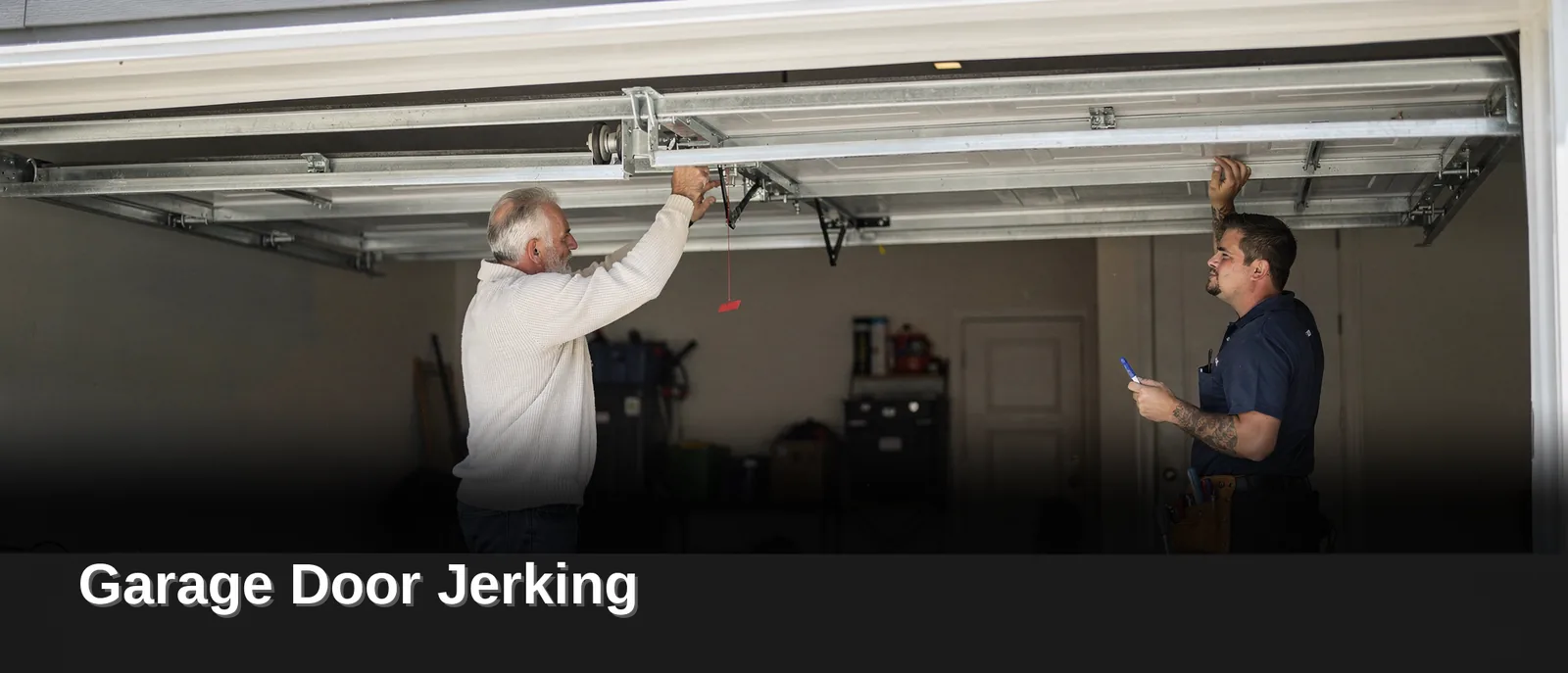
If your garage door struggles to open smoothly or exhibits jerky movements, this can indicate roller misalignment or failure. Such performance issues interfere with the door’s operation and can lead to increased strain on the entire garage door system. Timely replacement of rollers is advisable to maintain seamless operation.
Frequent Jams:
Regularly experiencing jams when operating the garage door can point to issues with the rollers and cables. If the door often gets stuck or requires manual assistance to open or close, it’s essential to inspect both components. Frequent jams may necessitate replacement, particularly if they occur alongside visible wear.
Cable Condition:
Assessing the condition of your garage door cables is important for ensuring safety. Look for signs of fraying or visible damage. Cables should be inspected regularly, as deterioration in their condition can lead to serious safety risks. If any damage is noted, immediate replacement is recommended.
Age of Components:
The lifespan of garage door rollers typically ranges from 7 to 15 years, while cables generally last a similar duration, depending on usage. If your components are approaching or have exceeded this age, proactive replacement can prevent unexpected failures and ensure that your garage door operates safely and effectively.
Professional Guidance on the Replacement Process:
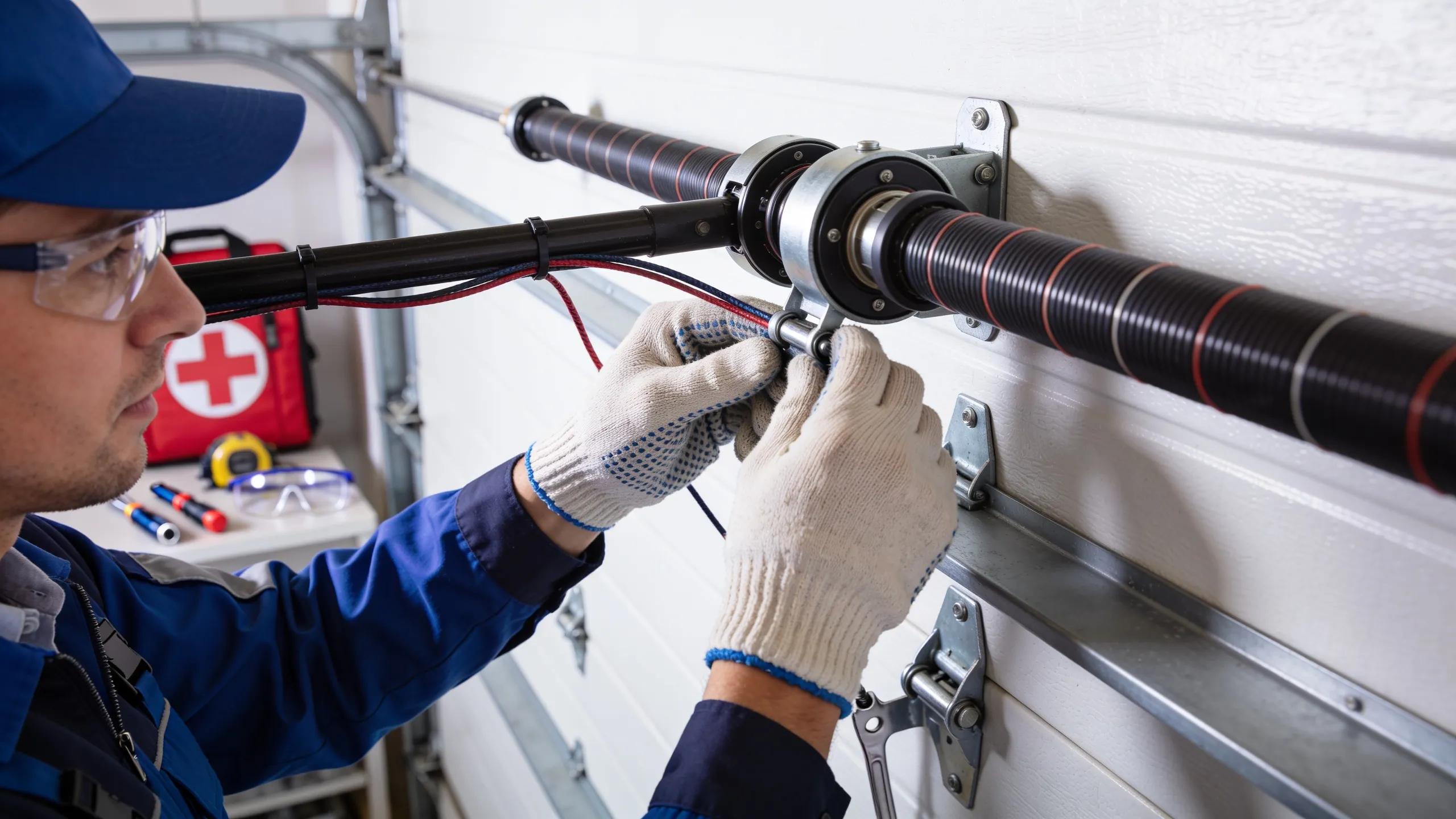
Replacing garage door rollers and cables is a process that entails careful planning and execution. Following professional guidelines can ensure safe and effective replacement.
Inspection:
Before initiating any replacement, thorough inspection of the rollers and cables is essential. This involves identifying any visible damage or wear and assessing the overall functionality of the garage door system. Early detection of issues can simplify the replacement process.
Safety First:
Prioritizing safety during the replacement process is crucial. Always disconnect the power to the garage door opener before beginning maintenance. Additionally, handle cables with caution due to their inherent tension, which can pose safety risks if mishandled.
Replacement Steps:
The process of replacing garage door rollers and cables should follow these steps:
- Disconnect the power to avoid accidental operation during maintenance.
- Remove the current rollers by detaching them from the door.
- Carefully thread new cables through the pulleys, ensuring correct alignment.
- Install the new rollers, securing them properly to the door.
Following these steps can facilitate a smooth replacement process, preserving the functionality and safety of your garage door system.
Seek Professional Help:
While DIY replacement is an option, it can be complex depending on the garage door’s weight and mechanics. Hiring a professional for replacement services can save time and ensure proper installation, reducing the risk of mistakes that could lead to malfunction or injury.
How to Identify Worn or Damaged Garage Door Rollers
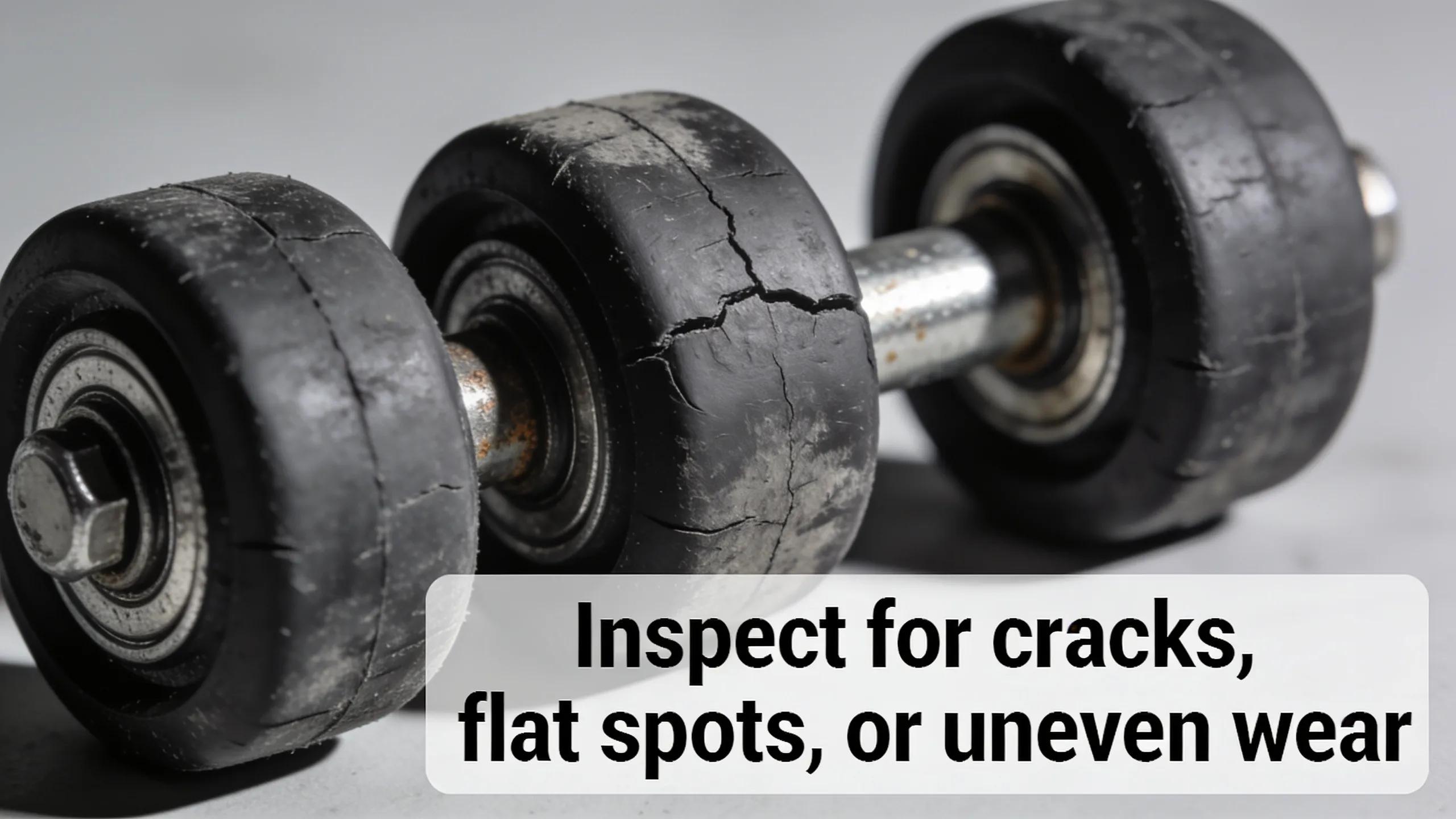
Identifying worn or damaged garage door rollers involves checking for both visual and functional cues. Regular inspections can prolong the lifespan of these components and ensure your garage door operates smoothly. Look for irregularities in movement and surface wear as clear indicators that maintenance or replacement is necessary.
What Are the Common Indicators of Garage Door Cable Damage?
As discussed, assessing the condition of your